Trying to decide between balayage vs. ombré before your next salon appointment? While both techniques create dimensional, customized color, they offer very different looks and maintenance requirements. Here's how to tell them apart, side by side, so you can choose the best color service for the look you want to achieve.
What is Balayage?
Balayage is a hand-painted hair highlighting technique1 that creates soft, sun-kissed, lived-in color. Instead of using foils to separate the hair, a colorist uses a brush to apply lightener to selected sections, focusing on mid-lengths and ends. Balayage creates a natural, blended look, as color gradually lightens from root to tip.
What is Ombré?
Ombré is a hair color effect that gradually transitions from darker roots to lighter ends2. Unlike balayage, which creates softly blended color throughout the hair, ombré creates a more noticeable gradient between two shades. The transition can be as subtle or dramatic as you like, or reversed with lighter roots and darker ends.
Balayage vs. Ombré: Key Differences Side by Side
When comparing balayage vs. ombré side by side, the biggest differences between them are how a stylist applies the color, the finished result, and how each service is maintained over time.
Balayage
-
Application: A professional hand-paints lightener onto selected sections of the hair, creating soft, blended dimension.
-
Overall Look: A natural, sun-kissed glow.
-
Maintenance: Low to moderate upkeep. Refresh your color every three to six months. Use a toner or gloss every eight to 12 weeks, as needed, to help maintain your desired shade and shine3.
-
Best For: Customized, low-maintenance color with a soft, lived-in finish.
Ombré
-
Application: Think of ombré as a result, rather than an application technique. A colorist creates a gradual transition from darker roots to lighter ends, forming a noticeable gradient.
-
Overall Look: A two-toned effect, typically darker on top and lighter on the bottom.
-
Maintenance: Moderate upkeep. Refresh your color every three to six months, and use a toner or gloss every six to 10 weeks to help keep the lightened ends bright and true to tone3.
-
Best For: A bolder, dramatic color contrast between light and dark.
Both services are customized to your hair type, natural color, and desired contrast. A consultation with an experienced stylist is the best way to determine which option suits your goals.
Balayage vs. Highlights vs. Ombré: How Do They Compare?
When comparing balayage vs. highlights vs. ombré, the main difference is how each technique creates dimension.
- Traditional highlights lighten hair from the roots to the ends for a more uniform look.
- Balayage creates subtle, blended dimension with hand-painted color concentrated through the mid-lengths and ends.
- Ombré produces the boldest contrast, transitioning from darker roots to lighter ends — completely two-toned and dip-dyed.
Many colorists combine techniques for personalized results.
How to Care for Balayage or Ombré Hair at Home
Color-treated hair needs maintenance to stay healthy between salon visits. Moisturizing, color-safe products can help keep your color vibrant while reducing dryness and breakage.
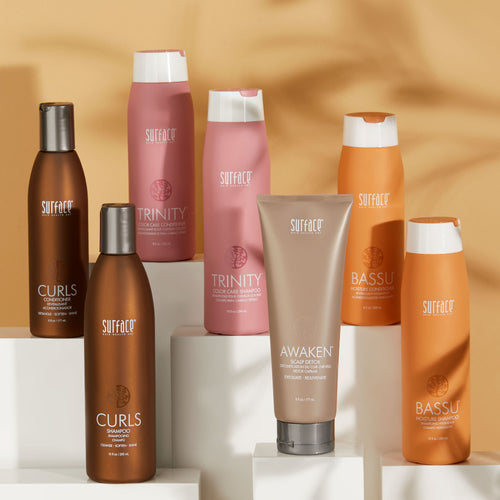
Surface Hair's Color Vita-Complex products combine naturally derived ingredients with color care technology to help maintain radiant, healthy-looking hair after professional color services.
Start with Surface Trinity Color Care to gently cleanse, hydrate, and help protect your color.
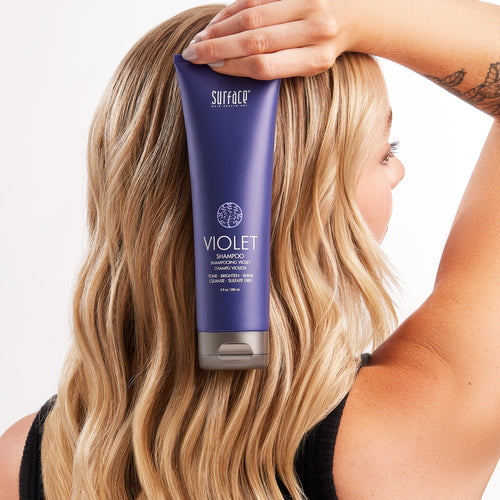
If your balayage or ombré hair includes blonde, silver, or gray tones, Surface Pure Blonde Violet Shampoo and Surface Violet Conditioner help tone, brighten, and minimize brassiness. At the same time, maqui berry and moringa oil nourish the hair.
For warmer blonde shades, Surface Pure Blonde Rose shampoo and conditioner help enhance color and shine with a blend of antioxidant-rich rosehip and moringa oil.
At your next color appointment, ask your colorist about Surface Pure Color, our professional color system formulated with sustainably harvested ingredients and organic botanicals for rich, long-lasting color and luster.
To help extend the life of your color:
- Wash with lukewarm water.
- Use a purple shampoo if blonde tones become brassy4.
- Limit heat styling whenever possible.
- Apply a heat protectant serum before using styling tools.
- Deep condition regularly to replenish moisture.
- Schedule gloss or toner appointments when recommended by your stylist.
Healthy, well-nourished hair reflects light more evenly, helping your balayage or ombré look its best between salon visits. The right hair care routine helps keep your color looking fresh long after you leave the salon.
Protect your color investment shop Surface Hair's color care collection.
Resources:
- Shunatona, B. (8 July 2021). What Is Balayage? Everything to Know About the Hair Highlighting Technique. Cosmopolitan. https://www.cosmopolitan.com/style-beauty/beauty/a36942213/balayage-hair
- Hardman, D. (1 October 2024). Balayage vs. Ombré: The Key Difference and How to Choose. Byrdie. Retrieved July 13, 2026, from https://www.byrdie.com/balayage-vs-ombre
- (2 January 2026). Balayage vs. Ombré: What's the Difference and Which Is Best for You? Image London. Retrieved July 13, 2026, from https://imagehairlondon.co.uk/balayage-vs-ombre-which-is-best/
- Rubell, A., Rhue, H. (28 November 2023). What Is Balayage? Stylists Explain the Benefits, Cost, and More. Byrdie. Retrieved July 13, 2026, from https://www.byrdie.com/balayage-4796960

 SHOP BY BENEFIT
 SHOP BY COLLECTION
 SHOP BY TYPE